Physician Burnout Resources

You are not alone.

Despite some improvement in recent years, the rate of burnout among physicians remains stubbornly high.

45%

Today, 45% of US physicians express at least one symptom of burnout.1

Leaders, you can make a difference for your care teams.

34.5%

of US residents reported burnout in 2024—a drop from previous years, but still over one-third of trainees2

58%

of US nurses say they feel burned out most days, based on a 2025 survey of more than 12,000 respondents3

37.2%

of medical students experience burnout, per a 2022 global meta-analysis covering nearly 27,000 students4

Symptoms of Clinician Burnout

Burnout manifests in different ways, but symptoms often show up through a combination of emotional, physical, and behavioral signs like:

Chronic mental, physical, or emotional exhaustion

Feeling detached, negative, or cynical about work

Loss of motivation or little sense of accomplishment

Reduced efficiency or difficulty concentrating

Treating patients or tasks in an impersonal, mechanical way

Wellness and Burnout Resources for Clinicians

Why Burnout is Prevalent in Healthcare

Caring for others is rewarding, but it can also be exhausting. Clinicians shoulder the daily pressures of long hours, administrative tasks, and clunky technology. Leaders share in this struggle from a different vantage point—they are charged with protecting staff well-being, keeping operations running smoothly, and addressing systemic issues that contribute to burnout. And that's just just the tip of the iceberg...


High-Stress Profession

All settings and specialties have unique pressures, but some stressors are universal:

  • High patient acuity
  • Staffing shortages
  • Emotionally intense care
  • Safety risks like infectious disease or patient violence
  • Endless paperwork and EHR tasks
Physician Shortage

By 2036, the US may be short 86,000 physicians, with primary care hit hardest.5 That means:

  • Heavier workloads
  • Longer patient wait times and strained relationships
  • More burnout from extra shifts
Unrealistic, Inequitable Physician Scheduling

Unpredictable schedules. Little flexibility for time off. Limited control over shifts. A complicated process for requesting changes. Uneven workloads.

These are just a few of the daily scheduling frustrations physicians face. The reality:

  • U.S. physicians work an average of 51 hours a week6
  • 1 in 4 physicians works over 60 hours per week7
  • Residents are expected to push 80-hour weeks8
  • Burnout is nearly twice as common (75% vs. 39%) for those with no control over their schedule9

Outdated scheduling methods only make it worse, as they heavily contribute to unfair schedules.

Cumbersome Communication Workflows

Clinical communication is the backbone of care delivery, but inefficient or fragmented communication wastes time and increases care team stress levels. Issues can include:

  • Lost, delayed, or unanswered messages
  • No clear contact or escalation point for urgent needs
  • Communication spread across multiple platforms
  • Receiving the wrong alerts, or no alerts at all
  • Ineffective systems that lead to unsecure workarounds and increased compliance risk

When communication breaks down, patient care suffers, and so does team morale. Unnecessary care team toil like this can be a major drag on job satisfaction, leaving clinicians frustrated and burned out.

Crushing Administrative Burdens

The move to value-based care means more documentation. For many physicians, the balance between patient care and ancillary work is gone:

  • 2 hours of admin work for every hour with patients10
  • 2.6 hours a week just on quality measures10
  • Some spend half their shift on documentation10

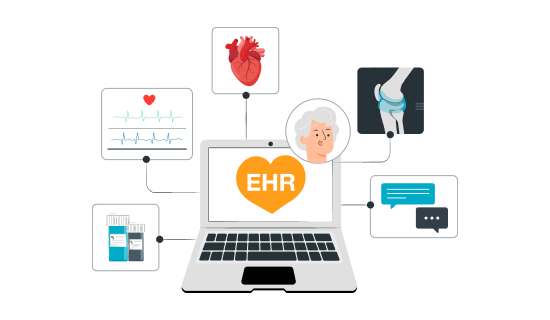
EHRs are where much of the magic happens, but they contribute to the problem with workflows that are often slow, clunky, and disconnected. It's no wonder EHR-related stress is a major factor in up to 40% of burnout cases.11

When you spend more time clicking boxes than caring for patients, the calling to heal starts to transform into endless data entry.

Shouldn't it mean more than this?

How to Decrease Clinician Burnout

Mitigating burnout can't be done in one day, but there are concrete steps you can take to start prioritizing care team wellness.

STEP 1

Normalize Conversations About Burnout

Stigma makes burnout worse. Create a culture where clinicians can speak up without fear by encouraging open dialogue about stress and workload. Take time to listen closely to their concerns and, where possible, take definitive (and visible) action to make improvements.

STEP 2

Use Smarter Tools to Ease Everyday Burdens

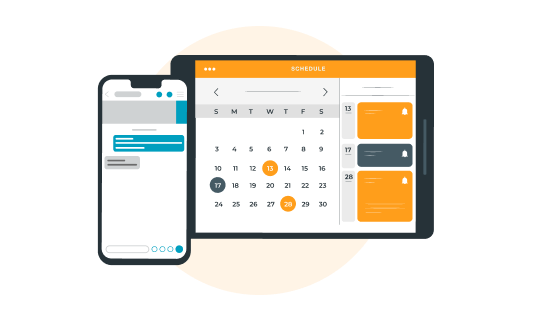
Modern tech solutions reduce friction to empower your care teams. Perfect example: It's time to ditch the spreadsheets in favor of automated physician scheduling software that builds fair and balanced schedules, accounts for individual provider preferences, and still allows for manager oversight.

In a similar vein, basic secure texting tools are not equipped to facilitate efficient care delivery. A more advanced (and integrated) clinical communication platform can route messages accurately, minimize alarm fatigue, and sync with schedules to eliminate the constant question of "Who's on call?"

STEP 3

Streamline Documentation & Improve EHR Usability

EHRs should simplify care, but many are cumbersome at best. Limited customization forces clinicians to navigate clunky interfaces, slowing response times. Look for solutions that streamline documentation—reducing clicks and redundancy—so providers can spend more time with their patients.

STEP 4

Integrate Essential Technologies

While it may seem like a natural next step, adding more and "better” tools to your tech stack won't always fix deeper workflow issues. Consolidation and careful integration can actually have a much bigger impact on daily operations for your care team.

For example, integrating your scheduling and communication tools can drastically increase productivity by allowing providers to get the right messages to the right person at the right time. This reduces workflow friction and can facilitate faster patient care.

STEP 5

Give Time Back to Nurses

Nurses spend more time coordinating care than with patients,12 which fuels burnout and turnover. To empower your nurses, try:

  • Diverting routine tasks like water requests to support staff
  • Equipping them with mobile devices for real-time updates
  • Consolidating alerts, alarms, and other messages into a single inbox

STEP 6

Protect Your People

Violence and harassment in healthcare are rising—13% of healthcare workers reported harassment in 2022.6 To meet Joint Commission standards for violence prevention, provide staff training to recognize and prevent escalation, and implement rapid-alert technology so clinicians can discreetly call for help when they need it.

STEP 7

Offer Wellness Resources That Matter

Studies show that burnout decreases when clinicians feel valued.13 To help, offer confidential mental health support, floating holidays, and regular wellness activities. Reinforce these efforts by giving your teams a seat at the table when discussing important new policies and considering implementing new tech.

Additional Resources

CASE STUDY

How To Increase Physician Satisfaction by 30% With Better Scheduling at Ochsner Health

BLOG

Top Physician Frustrations in Healthcare Scheduling

DOWNLOAD

The Real Cost of On-Call Scheduling