
 Provider Scheduling
 Healthcare Workforce Management
 Integrations
Live Event
Real solutions from experts who've moved the needle on burnout
Register Now Features

Organization
Large Children’s Hospital System
Location
Midwest USA
Solutions
Lightning Bolt Scheduling
TABLE OF CONTENTS
A center focused on bleeding and clotting disorders at a large children’s hospital was using an outdated scheduling system that produced inaccurate schedules and limited department growth. After replacing their 18-year-old Microsoft Access database with Lightning Bolt Scheduling, they:
This children’s hospital system has one of the only pediatric Level I trauma centers in its state. It has a mixture of hospitals, primary clinics, rehabilitation sites, and specialty care centers. The work with bleeding and clotting disorders happens within a federally funded hemophilia treatment center with over 100 providers (MDs, APPs, and RNs). It’s one of the only centers among surrounding states that exclusively treats pediatric patients.


The center relied on an 18-year-old Microsoft Access database originally designed to track research studies when they had only 5 physicians and 5 RNs.
“As we grew and this Access database aged, it became a very error-prone process,” said the center’s Director of Ambulatory Services. “If [providers] wanted a day off, they could try to put their request in the database, but chances are it wouldn’t stick.”
Key issues impacting efficiency and satisfaction included:

After evaluating multiple scheduling solutions, the Director’s team picked Lightning Bolt based on their specific requirements:
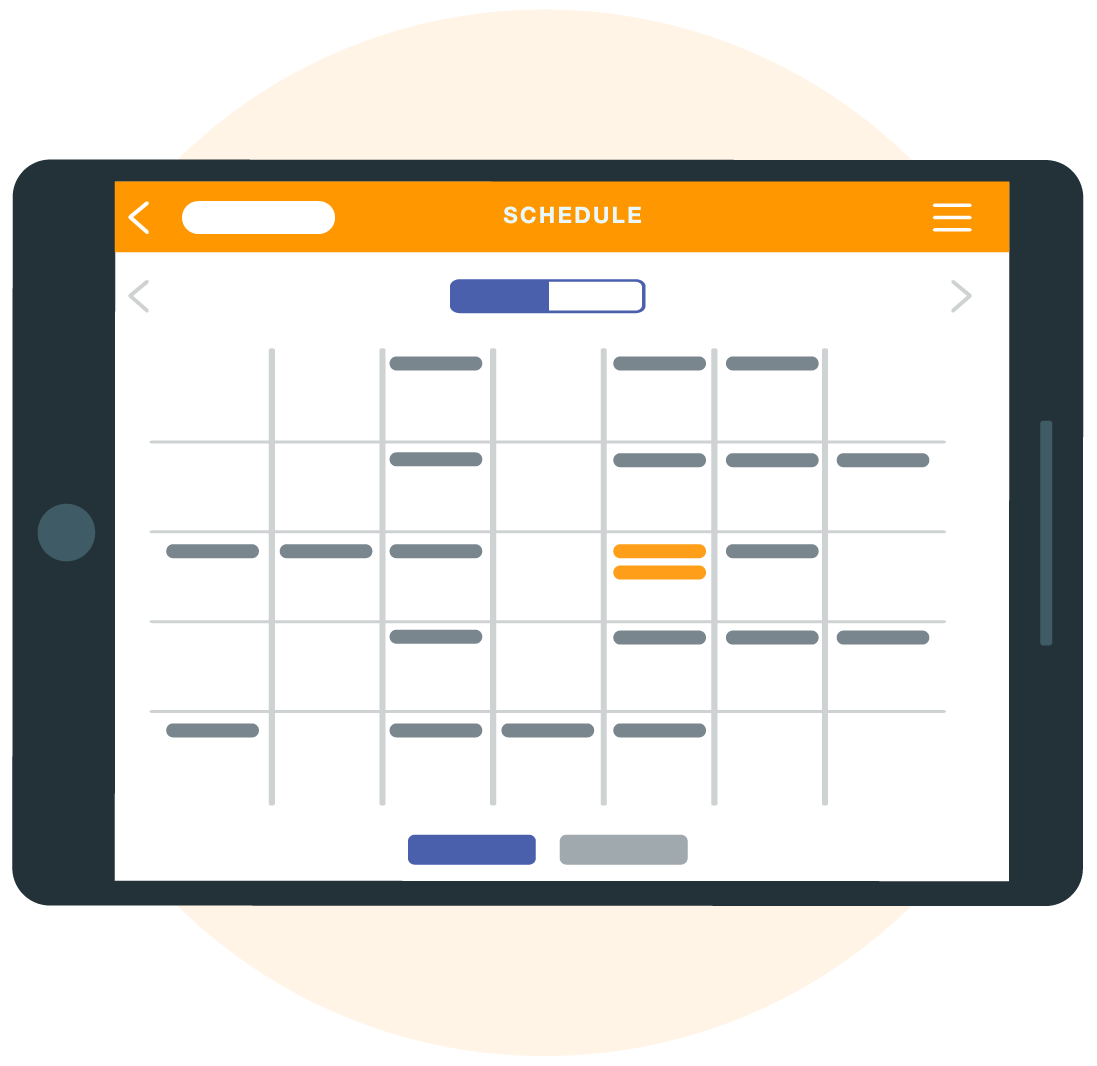


With a resource-intensive EHR rollout already underway, the hospital system had no project manager available for the Lightning Bolt implementation. The Director was given some pretty simple guidance: “If you can manage this [yourself], you can start tomorrow.”
The Lightning Bolt team provided hands-on support as the Director led the project alone. With experience supporting thousands of similar groups, they covered his needs despite limited IT resources, getting him operational in just three days.
The implementation followed a strategic approach:
For federal grant funding, effort certification tracking is crucial. With a dedicated technical consultant, Lightning Bolt generated custom reports that improved tracking accuracy, enabling 13 more team members to be properly accounted for in the grant process.

Before Lightning Bolt, administrators spent three to four weeks creating three-month schedules, with additional 8-10 hours weekly for adjustments. After implementation, the benefits were substantial:
per month recovered
annually in FTE time
Improved Access:Schedule visibility for all stakeholders with custom views
Provider Autonomy:Self-service schedule management with credential safeguards
Calendar Integration:Work schedules synced with personal calendars
Enhanced Reporting:Better federal funding compliance
Strategic Focus:Leadership time redirected to priorities
Improved Culture:Better time-off management
By implementing Lightning Bolt, this children’s hospital system transformed their scheduling from an outdated, manual system to an efficient, automated solution. Benefits extended beyond time savings to provider autonomy, accuracy, staffing optimization, and federal compliance.
As they prepare for their Epic implementation, Lightning Bolt continues supporting their pediatric specialty care mission. The organization plans to integrate Lightning Bolt with Epic when the new system is in place, extending the benefits of efficient scheduling enterprise-wide.

The organization calculated their return using three key metrics:
The team attributes their success to five essential factors that allowed other departments to achieve similar results:

 Specialties
 Organizations
 Blogs
Blogs News
News Case Studies
 Downloads/Reports
 Events
 Videos
 Company
 Contact
 Careers
 FAQ
FAQ Customer Success